
When you look at the starting field of the iLumen European Solar Challenge, you’ll quickly notice that not every solar car looks the same. Some look like futuristic racing machines, while others resemble the cars we might one day see on our roads.
That’s because teams compete in two different categories: the Challenger Class and the Cruiser Class.
But what exactly is the difference?
Challenger Class: built for performance
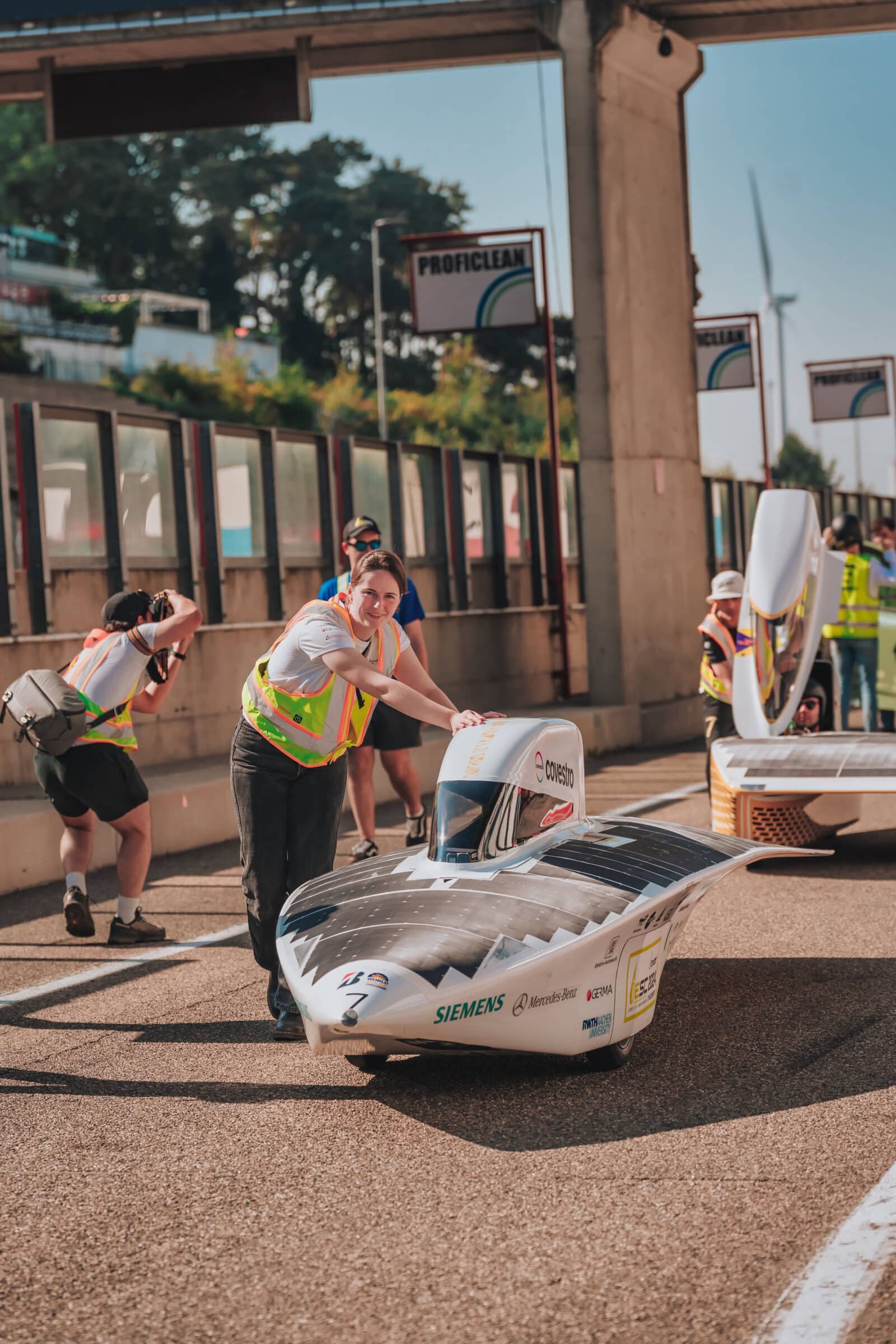
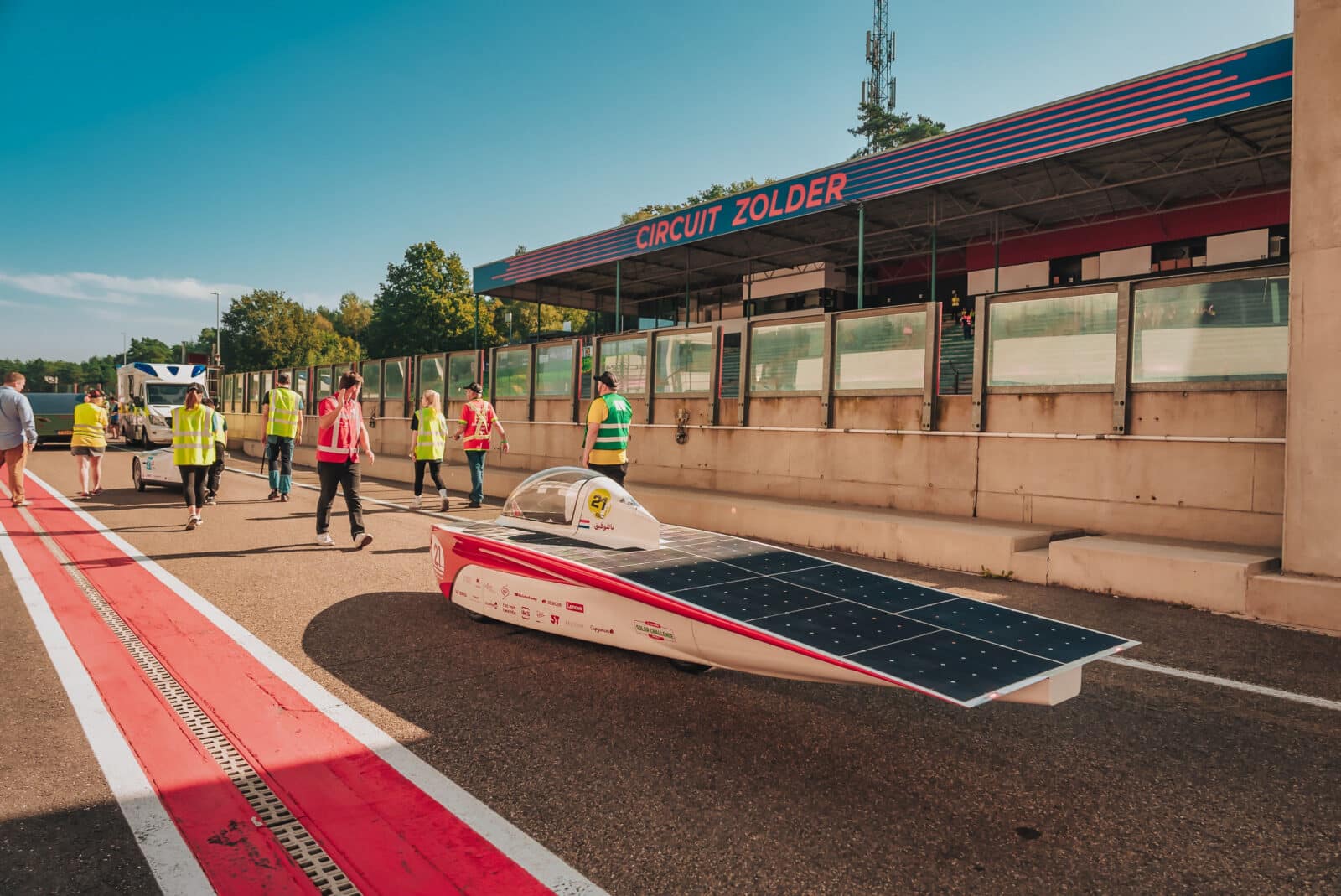
If you picture a typical solar racing car, chances are you’re thinking of a Challenger.
These cars are designed with efficiency and performance at their core. Every detail matters: from reducing weight and aerodynamic drag to getting as much distance as possible out of the available solar energy.
That results in the distinctive low and streamlined designs you’ll see racing around Circuit Zolder.
Challenger cars are typically designed around a single occupant and leave little room for unnecessary extras. The objective is simple: make the car as efficient as possible.
Cruiser Class: looking towards everyday mobility
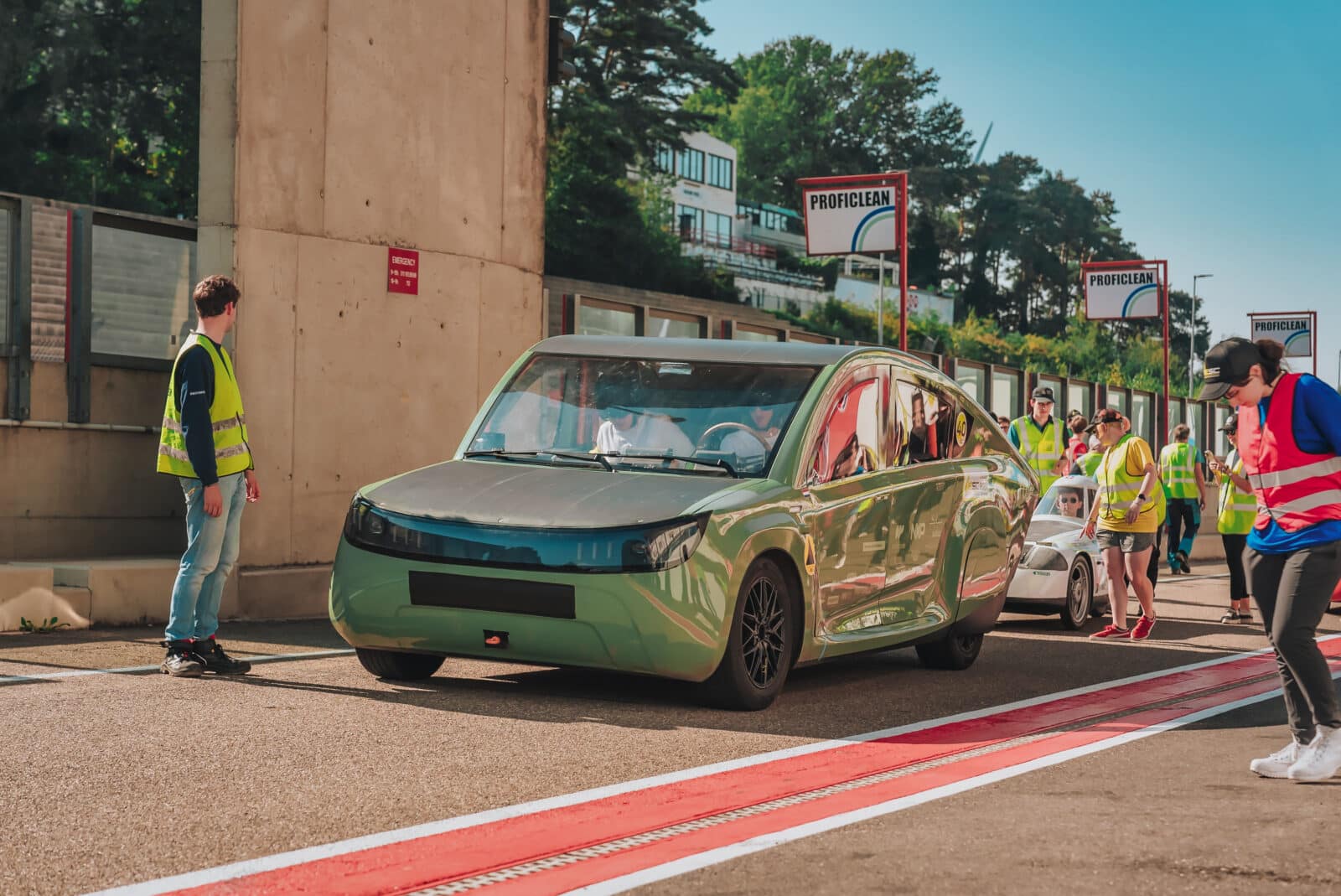
Cruiser cars approach the solar challenge from a different perspective.
Efficiency is still incredibly important, but so are practicality and usability. These cars are designed to carry multiple occupants and tend to look more like conventional road cars.
The idea behind the Cruiser Class is therefore closely connected to the future of sustainable mobility: how can solar technology become part of a car that people could actually use in everyday life?
It’s a different engineering challenge, requiring teams to find a balance between efficiency, performance and practicality.
Two approaches, one challenge
So, which class is better?
There isn’t one.
The two categories simply explore solar mobility from different perspectives. While Challenger teams push the boundaries of pure efficiency and performance, Cruiser teams investigate how that technology can be combined with practical mobility.
More than one title is at stake, too.
During the iESC 24 Hours, teams compete for the European title, while some will also be battling for the national championship title of their own country. So alongside the international competition, there can be another race within the race.
But during the iESC, they share one important challenge: 24 hours of solar racing at Circuit Zolder.
Want to see the difference for yourself?
Join us on September 19 & 20 at Circuit Zolder and see both classes in action.
Entry is free. ☀️🏁